Esta web utiliza cookies propias y de terceros que nos permiten optimizar tu experiencia en el sitio web, evaluar su rendimiento, generar estadísticas de uso y mejorar y añadir nuevas funcionalidades. Mediante el análisis de tus hábitos de navegación podemos mostrar contenidos más relevantes y medir las interacciones con la web.
Puede obtener más información aquí.
Una cookie es un fichero que se descarga en tu ordenador al acceder a determinadas páginas web.Las cookies permiten a una página web, entre otras cosas, almacenar y recuperar información sobre los hábitos de navegación de un usuario o de su equipo, gestionar el acceso de usuarios a zonas restringidas de la web, etc.Tipo de cookies utiliza esta página web:
Este tipo de cookies permiten al usuario la navegación a través de una página web, plataforma o aplicación y la utilización de las diferentes opciones o servicios que en ella existan como, por ejemplo, controlar el tráfico y la comunicación de datos, identificar la sesión, acceder a partes de acceso restringido, seleccionar el idioma, o compartir contenidos a través de redes sociales.
| Nombre | Descripcion | Duración | Habilitado |
|---|---|---|---|
| ID de tu sesión. Te identifica en este navegador y nos permite gestionar tus cookies o almacenar tu cesta de la compra. | 8760 horas | ||
| Indica qué cookies has aceptado. | 8760 horas | ||
| Una cookie PHPSESSID es una cookie de sesión que se utiliza para identificar la sesión de un usuario en un sitio web. | 8760 horas |
Son aquéllas que posibilitan el seguimiento y análisis del comportamiento de los usuarios en nuestra página. La información recogida se utiliza para la medición de la actividad de los usuarios en la web y la elaboración de perfiles de navegación de los usuarios, con la finalidad de mejorar la web, así como los productos y servicios ofertados.
| Nombre | Descripcion | Duración | Habilitado |
|---|---|---|---|
| Es un servicio de analítica web que utiliza cookies de análisis. | 8760 horas |
Estas cookies pueden ser establecidas a través de nuestro sitio por nuestros socios publicitarios. Pueden ser utilizadas por esas empresas para crear un perfil de sus intereses y mostrarle anuncios relevantes en otros sitios. No almacenan directamente información personal, sino que se basan en la identificación única de su navegador y dispositivo de Internet. Si no permite utilizar estas cookies, verá menos publicidad dirigida.
| Nombre | Descripcion | Duración | Habilitado |
|---|
O que são os cookies?
Um cookie é um arquivo descarregado no seu computador para aceder certos sites. Os cookies permitem que um site, entre outras coisas, possa armazenar e recuperar informações sobre os hábitos de navegação de um/a usuário/a ou do seu computador, gerenciar o acesso do/a usuário/a às áreas restritas do site etc.
Que tipo de cookies utiliza este site?
Cookies de análise
São aqueles que permitem a monitorização e análise do comportamento do/a usuário/a no nosso site. A informação recolhida é usada para medir a atividade dos/as usuários/as no site e para criar perfis de navegação do/a usuário/a, a fim de melhorar o site e os produtos e serviços oferecidos.
Cookies técnicos
Permitem ao/à usuário/a navegar através dum site, plataforma ou aplicação e o uso de diferentes opções ou serviços que existem, como por exemplo o controlo do tráfego e comunicação de dados, identificar a sessão, aceder a áreas de acesso restrito, ou compartilhar conteúdos através de redes sociais.
Cookies de personalização
São aqueles que permitem adaptar a navegação no site com as suas preferências, como o idioma, navegador utilizado etc.
| Nome | Própria / Terceiros | Duração | Descrição | Proprietário |
| gat | Terceiros | 1 minuto | É usado para limitar a porcentagem de solicitações. | Google Analytics |
| _ga | Terceiros | 2 anos | É usado para distinguir os usuários. | Google Analytics |
| _gid | Terceiros | 24 horas | É usado para distinguir os usuários. | Google Analytics |
| PHPSESSID | Própria | Sesion | Cookie de sessão, desaparece quando a web é fechada. | Arnoia |
| COOKIE_CONSENT | Própria | 1 mês | Cookie de personalização. | Arnoia |
| SESS_ID | Própria | 10 dias | Cookie de sessão. | Arnoia |
Quem usa os cookies?
Os cookies utilizados neste site são usados pelo responsável legal do mesmo e pelos seguintes serviços ou fornecedores de serviços:
- Google Analytics: é um serviço de análise da web que usa cookies de análise. Voçê pode verificar a política de privacidade deste serviço no site https://www.google.com/intl/pt-PT/policies/
Como posso desativar ou excluir os cookies?
Voçê pode permitir, bloquear ou apagar os cookies instalados no seu computador configurando as opções do navegador instalado. As seguintes ligações fornecem informações adicionais sobre as opções de configuração dos cookies nos distintos navegadores:
– Internet Explorer: https://support.microsoft.com/pt-pt/help/278835/how-to-delete-cookie-files-in-internet-explorer
– Google Chrome: https://support.google.com/chrome/answer/95647?hl=pt
– Firefox: https://support.mozilla.org/t5/Cookies-and-cache/Ativar-e-desativar-cookies-que-os-websites-utilizam-para/ta-p/14289
– Safari: https://support.apple.com/kb/PH21411?locale=pt_PT
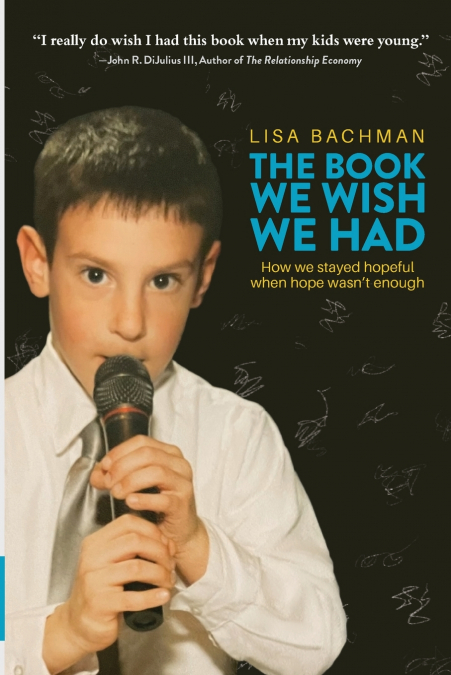

Lisa BachmanâÇÖs son, Justin, was sick, suffering, and broken. Lisa and her husband, Ron, had no idea how to heal, help, or fix him. His third suicide attempt, by the time he was eleven years old, was their final wake-up call. Although he survived, their family was left without a roadmap. They would start down a path through a maze, hit a wall, turn around, and begin again. Thankfully, with help, they found their way. Not only did they get through extraordinarily difficult times with a suicidal son, but he went on to start a nationwide nonprofit organization and become a motivational speaker who led more that 150 full-school assemblies for students in grades five through twelve in sixteen states-all before he turned eighteen.Mental health problems and the subsequent intolerance and isolation are some of the most prevalent, yet least discussed issues facing parents and kids today. Children and teens are overscheduled, overstimulated, and dealing with challenges and questions that adults could never have imagined. Add in undiagnosed issues, willful ignorance, limited resources, refusal of the school to provide resources and abandonment from those believed to be a support system, and readers will get a glimpse of the obstacles the Bachman family had to overcome to navigate the first twelve years of their sonâÇÖs life.áBachman wroteáThe Book We Wish We Hadáto share her triumphs but even more so, to share her struggles. By revealing her vulnerabilities and missteps, her hope is that readers will relate and become better able to understand that their experiences and feelings are normal as they find their way out ofátheirámaze.The Book We Wish We Hadáaddresses issues head-on with raw realism, humor, and hope as Bachman tells the story of how her family navigated their son JustinâÇÖs suicide attempts, medical, and mental illness. More than a memoir, this book is a resource that speaks truth to the pain that is so difficult to voice and share.áThe Book We Wish We Hadáshares practical tools-like finding healthcare practitioners who see the child and not his/her (mis)diagnosis-and unconventional ones like learning to speak with your child in an entirely new way by using questions instead of statements. The book maps out the conversations the family had that taught their son to have with his siblings, other kids, and people in positions of authority. They show readers how they stood up for their needs and their sonâÇÖs as they came to realize that teachers and doctors are not all knowing and that itâÇÖs important for parents to trust their hearts.