Esta web utiliza cookies propias y de terceros que nos permiten optimizar tu experiencia en el sitio web, evaluar su rendimiento, generar estadísticas de uso y mejorar y añadir nuevas funcionalidades. Mediante el análisis de tus hábitos de navegación podemos mostrar contenidos más relevantes y medir las interacciones con la web.
Puede obtener más información aquí.
Una cookie es un fichero que se descarga en tu ordenador al acceder a determinadas páginas web.Las cookies permiten a una página web, entre otras cosas, almacenar y recuperar información sobre los hábitos de navegación de un usuario o de su equipo, gestionar el acceso de usuarios a zonas restringidas de la web, etc.Tipo de cookies utiliza esta página web:
Este tipo de cookies permiten al usuario la navegación a través de una página web, plataforma o aplicación y la utilización de las diferentes opciones o servicios que en ella existan como, por ejemplo, controlar el tráfico y la comunicación de datos, identificar la sesión, acceder a partes de acceso restringido, seleccionar el idioma, o compartir contenidos a través de redes sociales.
| Nombre | Descripcion | Duración | Habilitado |
|---|---|---|---|
| ID de tu sesión. Te identifica en este navegador y nos permite gestionar tus cookies o almacenar tu cesta de la compra. | 8760 horas | ||
| Indica qué cookies has aceptado. | 8760 horas | ||
| Una cookie PHPSESSID es una cookie de sesión que se utiliza para identificar la sesión de un usuario en un sitio web. | 8760 horas |
Son aquéllas que posibilitan el seguimiento y análisis del comportamiento de los usuarios en nuestra página. La información recogida se utiliza para la medición de la actividad de los usuarios en la web y la elaboración de perfiles de navegación de los usuarios, con la finalidad de mejorar la web, así como los productos y servicios ofertados.
| Nombre | Descripcion | Duración | Habilitado |
|---|---|---|---|
| Es un servicio de analítica web que utiliza cookies de análisis. | 8760 horas |
Estas cookies pueden ser establecidas a través de nuestro sitio por nuestros socios publicitarios. Pueden ser utilizadas por esas empresas para crear un perfil de sus intereses y mostrarle anuncios relevantes en otros sitios. No almacenan directamente información personal, sino que se basan en la identificación única de su navegador y dispositivo de Internet. Si no permite utilizar estas cookies, verá menos publicidad dirigida.
| Nombre | Descripcion | Duración | Habilitado |
|---|
O que são os cookies?
Um cookie é um arquivo descarregado no seu computador para aceder certos sites. Os cookies permitem que um site, entre outras coisas, possa armazenar e recuperar informações sobre os hábitos de navegação de um/a usuário/a ou do seu computador, gerenciar o acesso do/a usuário/a às áreas restritas do site etc.
Que tipo de cookies utiliza este site?
Cookies de análise
São aqueles que permitem a monitorização e análise do comportamento do/a usuário/a no nosso site. A informação recolhida é usada para medir a atividade dos/as usuários/as no site e para criar perfis de navegação do/a usuário/a, a fim de melhorar o site e os produtos e serviços oferecidos.
Cookies técnicos
Permitem ao/à usuário/a navegar através dum site, plataforma ou aplicação e o uso de diferentes opções ou serviços que existem, como por exemplo o controlo do tráfego e comunicação de dados, identificar a sessão, aceder a áreas de acesso restrito, ou compartilhar conteúdos através de redes sociais.
Cookies de personalização
São aqueles que permitem adaptar a navegação no site com as suas preferências, como o idioma, navegador utilizado etc.
| Nome | Própria / Terceiros | Duração | Descrição | Proprietário |
| gat | Terceiros | 1 minuto | É usado para limitar a porcentagem de solicitações. | Google Analytics |
| _ga | Terceiros | 2 anos | É usado para distinguir os usuários. | Google Analytics |
| _gid | Terceiros | 24 horas | É usado para distinguir os usuários. | Google Analytics |
| PHPSESSID | Própria | Sesion | Cookie de sessão, desaparece quando a web é fechada. | Arnoia |
| COOKIE_CONSENT | Própria | 1 mês | Cookie de personalização. | Arnoia |
| SESS_ID | Própria | 10 dias | Cookie de sessão. | Arnoia |
Quem usa os cookies?
Os cookies utilizados neste site são usados pelo responsável legal do mesmo e pelos seguintes serviços ou fornecedores de serviços:
- Google Analytics: é um serviço de análise da web que usa cookies de análise. Voçê pode verificar a política de privacidade deste serviço no site https://www.google.com/intl/pt-PT/policies/
Como posso desativar ou excluir os cookies?
Voçê pode permitir, bloquear ou apagar os cookies instalados no seu computador configurando as opções do navegador instalado. As seguintes ligações fornecem informações adicionais sobre as opções de configuração dos cookies nos distintos navegadores:
– Internet Explorer: https://support.microsoft.com/pt-pt/help/278835/how-to-delete-cookie-files-in-internet-explorer
– Google Chrome: https://support.google.com/chrome/answer/95647?hl=pt
– Firefox: https://support.mozilla.org/t5/Cookies-and-cache/Ativar-e-desativar-cookies-que-os-websites-utilizam-para/ta-p/14289
– Safari: https://support.apple.com/kb/PH21411?locale=pt_PT

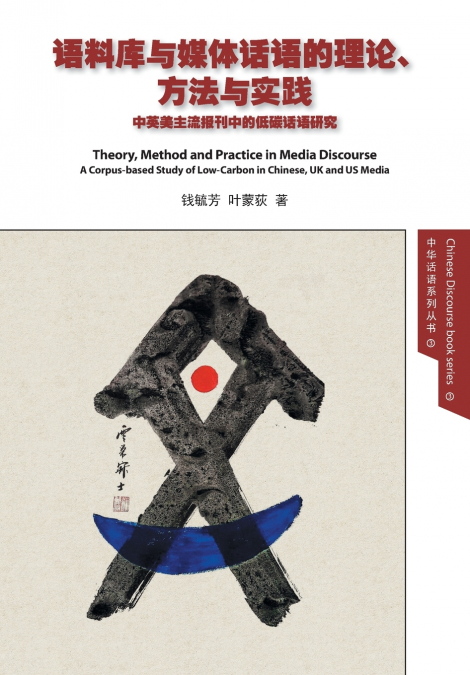
The discourse power theory of Michel Foucault, French postmodernist thinker,áreveals the constructive function and power characteristics of discourseâÇÖ as a social practice. Language, as a carrier reflecting social reality, is associated withápower, society and ideology. This constructive discourse theory enlightens andástudies many disciplines of the humanities and social sciences. Since the lateá1980s, media discourse has attracted linguistsâÇÖ attention as a language in use, asáwell as its special textual structure and social and cultural practice. Some analytical methods have emerged at a historic moment, and critical discourse research isáone of them. It originated in the 1980s. With the development of a large numberáof studies, people find it is far from possible to answer research questions only byáanalyzing a single text, and that analysis will bring personal prejudice. In orderáto make research more comprehensive and reliable, people begin to use corpus.áThe method of studying large-scale texts has its own advantages and draws onáeach otherâÇÖs strengths to complement each otherâÇÖs weaknesses. In the past 10áyears, corpus-based critical discourse research has been increasingly adopted byáChinese social scientists. This book focuses on the reports on low-carbon in theámainstream newspapers and periodicals of China, Britain and the United Statesásince 2000. It analyses discourse construction around low-carbon, and systematically applies corpus and critical discourse analysis to media discourse analysis.áCombine qualitative and quantitative research effectively. The linguistic examples provided by corpus are beyond the intuitive research method, and the criticaládiscourse analysis method makes the examples provided by corpus clear. We find many interesting phenomena that need to be further investigated from word frequency information. Studies show that the analysis of word clusters and collocations, accompanied by corpus retrieval, adds qualitative elements to quantitativeáanalysis and makes the results more reliable and comprehensive. The combinationáof corpus findings and social context makes us realize more clearly that discourseáis the reflection of ideology. This study is expected to attract more scholars to apply this method to language-related research in the field of social sciences. æú¬ä¹ªèüÜçäªä¸¡èï±ç¾Ää¸ëåó½ä¸»æµüæèÑåêè 2000 å¹´ä»ÑæÑÑåà³äºÄä½Ä çó³çÜäæèÑéüôï¼îåêåæÈåó´ç»òä½Äçó³çÜäè»Ñ軡建æäï¼îè¾âç³»ç»åú°å°å軡æûÖåºôåÆîæë¹åêñè»Ñ軡åêåæÈ çÜäæû¹æ³òçö¿äºÄåªÆä½ôè»Ñ軡åêåæÈ両ï¼îå°åå«ÜæǺåÆîå«ÜéçÅçáö究æúëæòêç»ôåÈêèµ·æÑÑaÇé軡æûÖåºôæÅÈ ä¾óçÜä軡è¿Çä¾ïè»üæÿ»åç¡çó´èºëçÜäçáö究æû¹æ³òæëÇä¸ìèâ½åÅèï¼îæë¹åêñè»Ñ軡çáö究åêåæÈçÜäæû¹æ³òåÅê 使軡æûÖåºôæëÇæÅÈä¾óçÜää¾ïè»üåÅÿå¾ùæ¸àæÖ°æÿÄäºåaÇéæêæ们ä»Äè»ìéóæä¿¡æü»ä¸¡åÅæçİ諸åñÜæúëè¶úçÜä æúëå¾àè¿óä¸Çæ¡ÑèÇâå»çÜäçİ象ï¼óçáö究衿æÿÄè»ìä¸óï¹ææÈ¡éàìè»ìåêåæÈä¼´éÜÅçÑÇ軡æûÖåºôæúÇç´óæÑÑ èÇâå»åà¶ä¸èä¸ïæûç両çÜäåêåæÈ为å«ÜéçÅçÜäåêåæÈåóæ·»äºåå«ÜæǺçÜäæêÈ份ï¼î使ç»ôæúæó´åÅ»éÑáï¹æ æó´åà¿éÑó